Special Educational Needs and Disabilities (SEND)
Laceby Stanford Primary Academy is an inclusive school. We can offer a wide range of support to ensure that all children make good progress and are happy in school.
SENCO: Miss Purshouse
SEND Governor: Mrs Wink
Learning Mentor: Mrs Jones
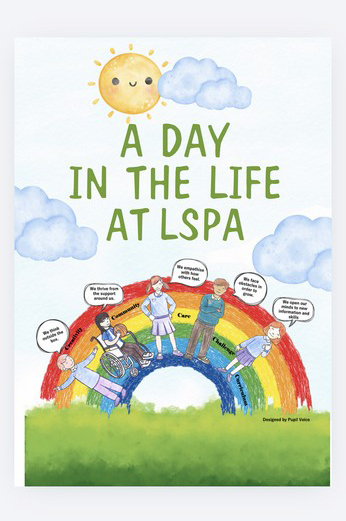
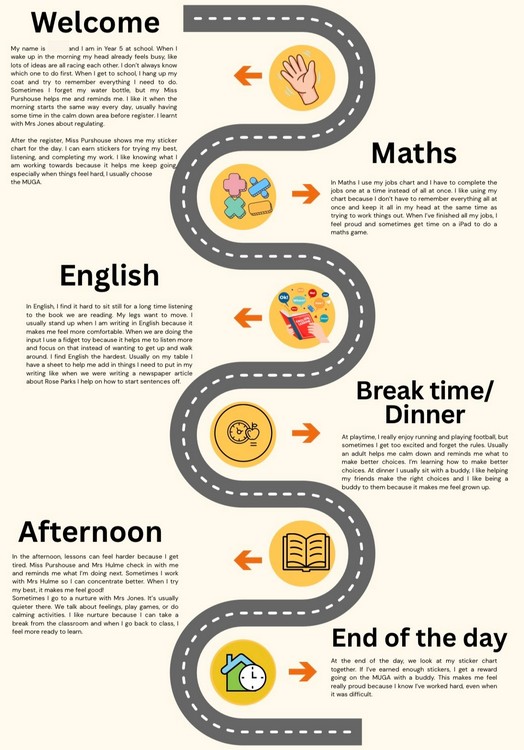
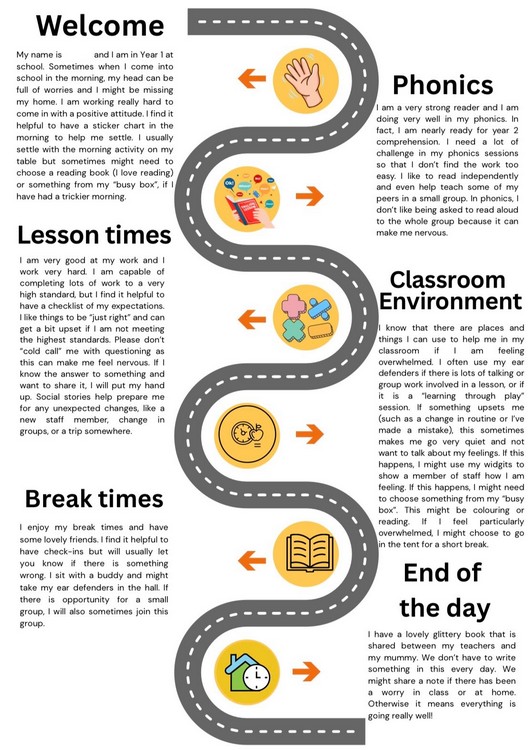
"Day in the Life" Profile
Here at Laceby Stanford Primary Academy we take great pride in the provisions we put in place for our learners. Therefore, we have created a ‘Day in the Life’ profile for pupils identified as having special educational needs. As part of this process, we spoke directly with each child to gather their views about their experiences in school, ensuring their voice is central to planning and reviewing provision. Pupils were encouraged to talk about their typical school day, identify the strategies and adaptations they recognise as being helpful, and explain what enables them to feel safe, included and successful in their learning.
These profiles highlight the personalised provision each child accesses throughout the day at our school, such as visual timetables, sensory and regulation strategies, communication supports, nurture interventions and adapted teaching approaches. They provide valuable insight into how pupils perceive the support they receive and enable staff to evaluate whether interventions are meaningful from the child’s perspective.
The impact of this approach is that pupils feel listened to, valued and actively involved in decisions about their education. It ensures that provision is genuinely child-centred, responsive to individual needs and informed by pupil voice. Staff gain a deeper understanding of the barriers each child experiences and the strategies that have the greatest impact, enabling support to be continually refined. This collaborative approach strengthens inclusive practice, promotes independence and wellbeing, and helps ensure that every pupil with SEND can access learning and make meaningful progress.
Special Educational Needs Information Report
The SEND Code of Practice makes it clear that the governing body/trustees or proprietor of all schools and academies must publish a report containing SEND information. This report must set out their arrangements on its website for identifying, assessing and making provision for pupils/students with SEND.
We have set out our SEND information in the following parent-friendly format which we trust you will find helpful.
Should you have any queries, please don't hesitate to contact the school office and ask to speak to Mrs Hill, our SENCo.
North East Lincolnshire SENDIASS website
SENDIASS is now in-house with the Local Authority, but is still the same free, confidential, and impartial service that it was before.
Our priority is to offer parent carers and young people within the area accurate advice and guidance on a variety of SEND topics.
We are a very small team, and we are developing the offer for you all the time.
We are establishing new links with other support groups as well as maintaining the useful links we have already.
We have an answer machine on our contact phone number or an email address of ask@nelsendiass.org.uk where you can contact us, and we aim to respond within three working days.
Our new website is: www.nelsendiass.org.uk- external site .
Follow us on the new Facebook page: Sendiass North East Lincolnshire | Facebook- external site .
North East Lincolnshire SENDIASS
They have also launched theirSpecial Educational Needs and Disabilities (SEND) Local Offer website!
The Local Offer is updated regularly with updates from local services, links to SEND support, learning, fun and advice for SEND children and young people, their parents and carers and professionals.
North East Lincolnshire SEND Local Offer
https://sendlocaloffer.nelincs.gov.uk/news/
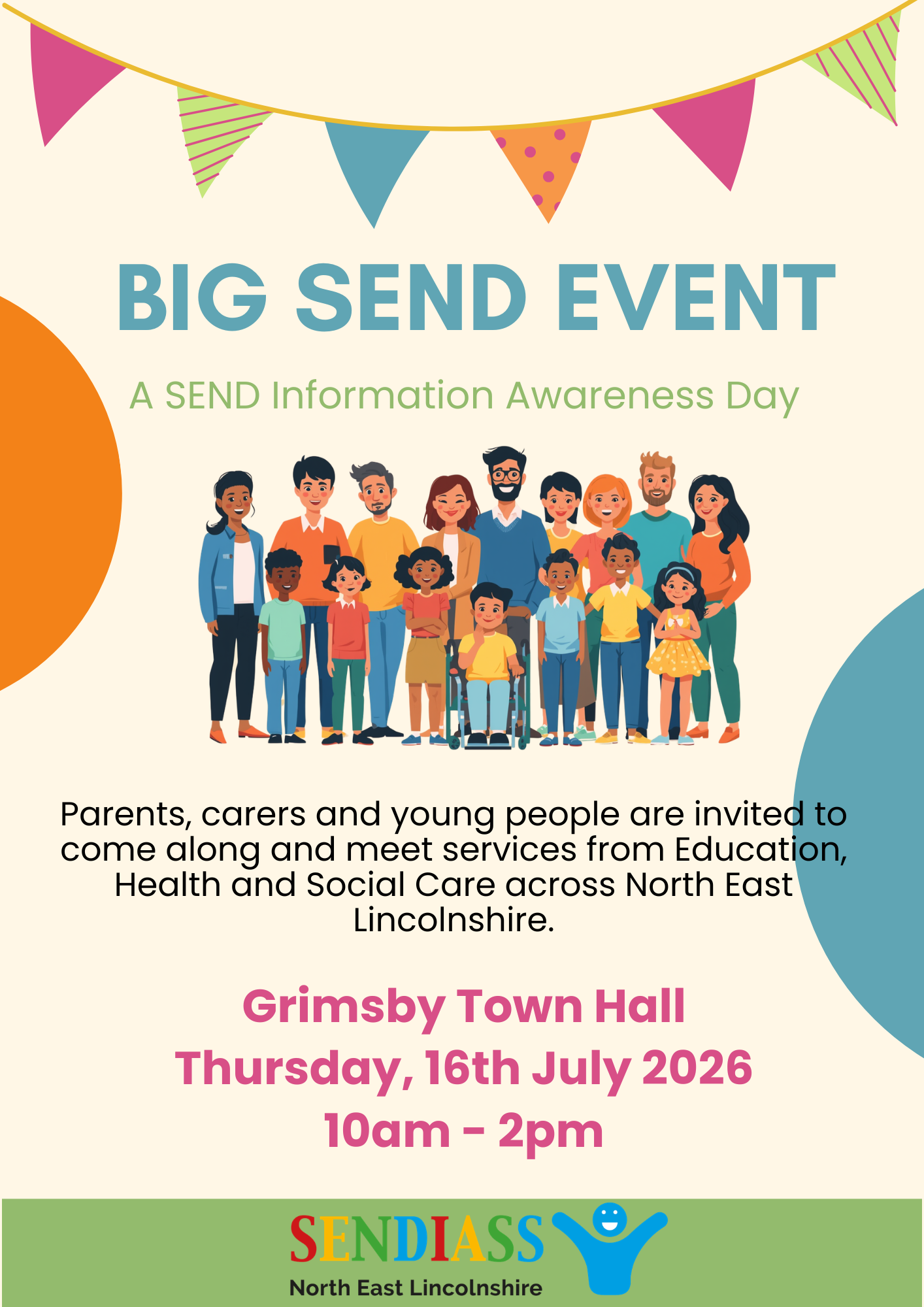
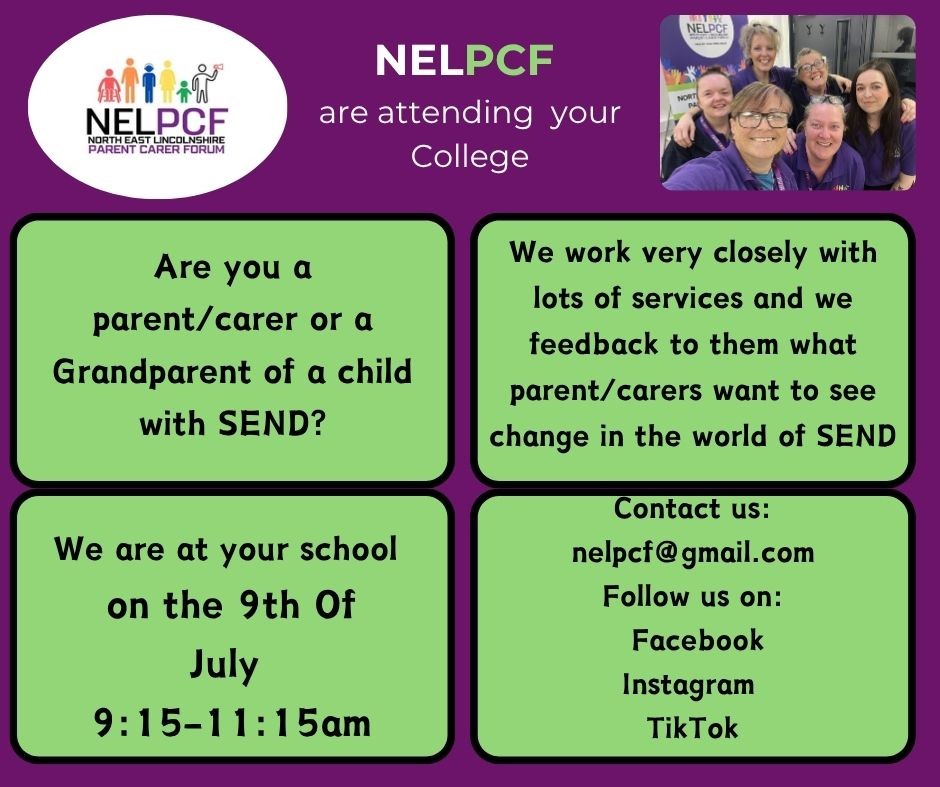
Information on SEND Reform
Information for parents and carers regarding The Department for Education's our schools white paper, Every Child Achieving and Thriving, alongside a consultation on SEND reform, called Putting Children and Young People
Supporting parents - online courses
Young Minds Matter Online Training - For Parents/Carers
YMM are offering training for parents and carers, which is as always aiming to help increase understanding of mental health issues and build confidence in supporting their own children in the family home.
YMM currently have online sessions for:
- What is Mental Health?
- Anxiety
- Low mood/Depression
- Self –Harm
- Social Anxiety
- ADHD
- Autism
- Health anxiety
All of YMM training is accessed via the Young Minds Matter website.
Oak National Academy SEND curriculum
Learning
Learning is carefully adapted from the Year 1 curriculum to ensure pupils with SEND can access learning at an appropriate level while maintaining high aspirations. Teaching is personalised through carefully planned scaffolding, adapted resources and targeted interventions that address individual barriers to learning. One key strategy used is Colourful Semantics, which provides a structured, visual approach to developing vocabulary, sentence construction, comprehension and expressive language. This approach helps pupils understand the roles of words within a sentence, supporting them to build increasingly complex spoken and written language.
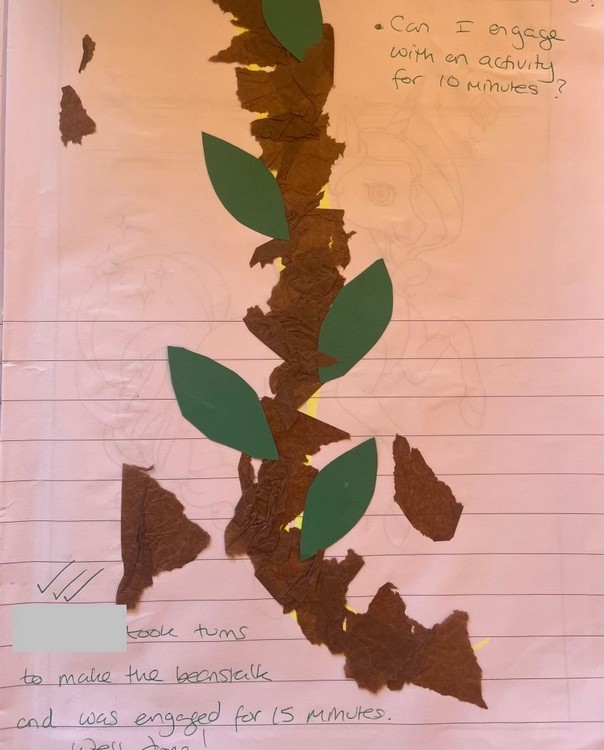
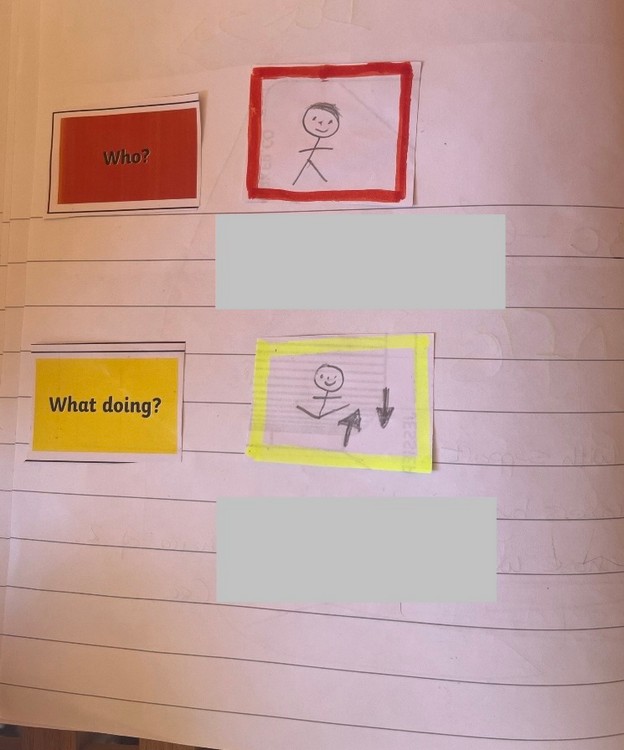
Alongside Colourful Semantics, learning is supported through visual resources, Widgit symbols, modelling, repetition, chunked instructions and practical activities, enabling pupils to access the curriculum in a way that meets their individual needs while working towards ambitious personalised outcomes.
The impact of these adaptations is that pupils develop greater confidence in their communication, improve their understanding of language and sentence structure, and become increasingly independent in expressing their ideas both verbally and in writing. By adapting learning rather than lowering expectations, barriers to learning are removed, engagement is increased and pupils with SEND are able to make meaningful progress from their individual starting points while accessing the breadth of the Year 1 curriculum alongside their peers.
The Tipi
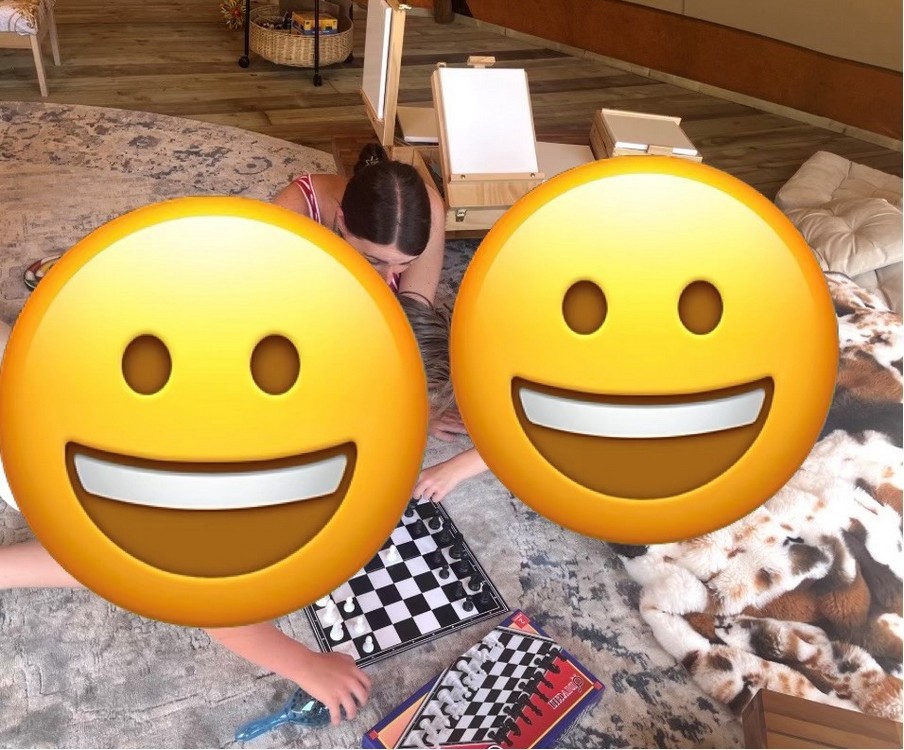
The Tipi is used as a purposeful nurture space to support pupils with de-escalation, emotional regulation and the development of positive social skills. Children can access the Tipi when they need a calm environment to regulate their emotions, supported by trusted adults who use co-regulation strategies, restorative approaches and emotional coaching. The space also provides planned opportunities for pupils to develop social interaction skills through structured peer support, collaborative activities and guided play, helping them practise turn-taking, communication, problem-solving and conflict resolution in a safe and supportive environment.
The impact of this provision is that pupils are better able to regulate their emotions before behaviours escalate, leading to fewer incidents and an increased readiness to return to learning. Through positive peer interactions and collaborative experiences, children develop stronger friendships, improved communication skills and greater confidence in working with others. The Tipi promotes a sense of belonging, enhances emotional wellbeing and enables pupils with SEND, particularly those with SEMH, autism and speech, language and communication needs, to build the social and emotional skills needed to participate successfully in both the classroom and the wider school community.
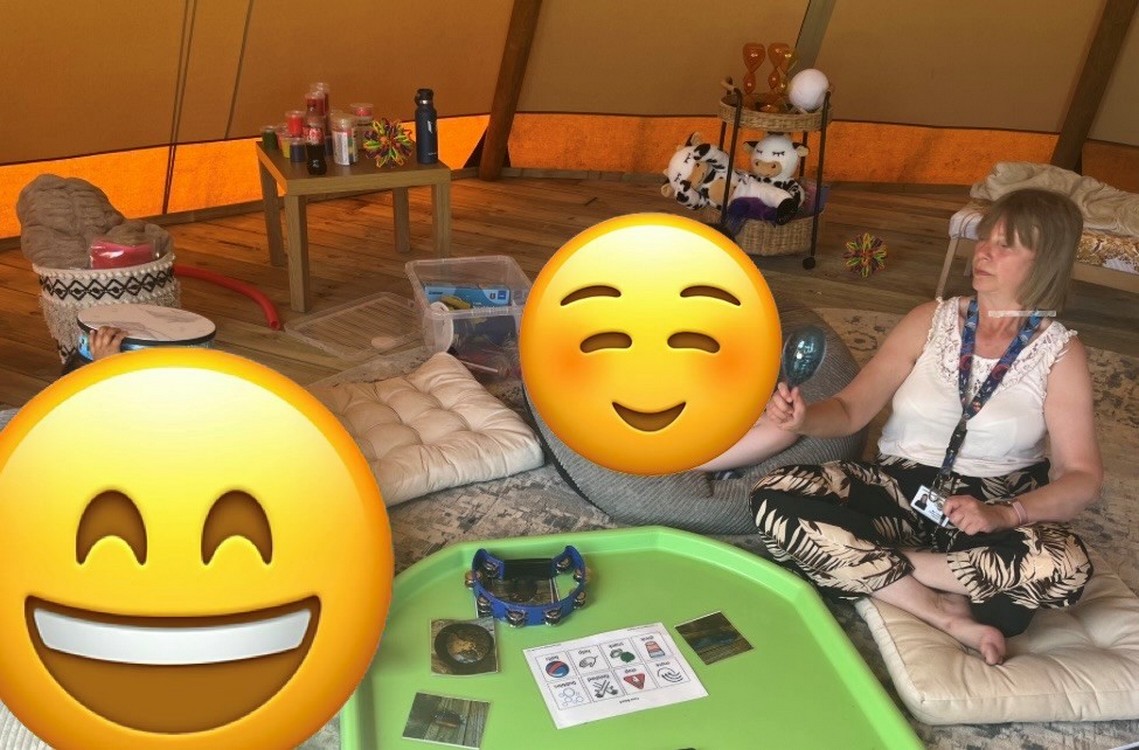
The Tipi provides a calm, low-arousal environment for bespoke music therapy sessions, designed around individual My Plan outcomes. During these sessions, pupils are supported through the use of visual resources, including Widgit symbols and core communication boards, enabling them to access activities regardless of their communication needs. The sessions focus on developing key outcomes such as turn-taking, playing alongside a peer, making a choice between two options, extending engagement in adult-led activities, using core board visuals to communicate wants and needs, and increasing verbal communication through motivating, play-based musical experiences.
Music therapy provides a highly engaging and inclusive approach that encourages communication, interaction and emotional expression in a way that is meaningful for each child. Staff carefully scaffold activities to promote shared attention, joint engagement and positive peer interactions while reinforcing communication strategies used across the school day.
The impact of this personalised provision is increased engagement in learning, improved communication skills and greater confidence when interacting with adults and peers. Pupils demonstrate sustained attention for longer periods, make more independent choices using visual supports, and show progress in expressive and receptive language, including increased verbal communication where appropriate. The structured opportunities for turn-taking and collaborative play strengthen social relationships and prepare pupils to participate more successfully in classroom activities. By aligning each session with individual My Plan outcomes, the provision is targeted, measurable and responsive, ensuring barriers to learning are reduced and pupils make meaningful progress towards their personalised SEND targets.
Visual Timetables
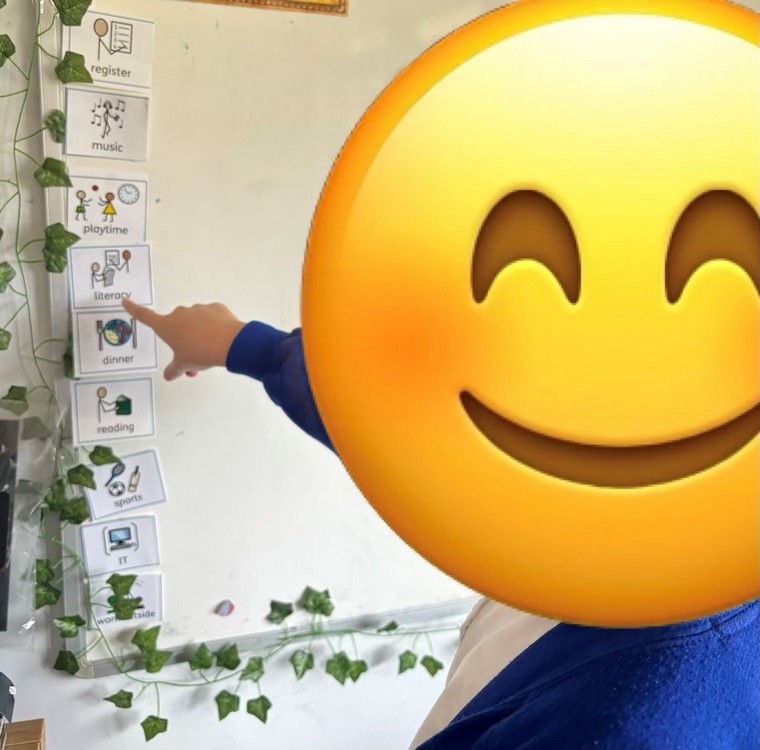
Each classroom has a visual timetable using Widgit symbols to help children understand and anticipate the structure of their day. These visual supports enable pupils to recognise what activities are happening, what is coming next and when changes to the routine may occur. Visual timetables are particularly beneficial for children with autism, speech, language and communication needs, and social, emotional and mental health needs, as they reduce reliance on verbal instructions and provide a consistent, accessible way of communicating expectations. Staff refer to the timetable throughout the day, using it to prepare pupils for transitions, reinforce routines and support understanding.
The impact of this provision is that pupils experience reduced anxiety and increased confidence as they are able to predict and prepare for the day’s events. Children become more independent, requiring fewer adult prompts to transition between activities, while demonstrating improved engagement, attention and readiness to learn. Visual timetables also support emotional regulation by reducing uncertainty, enabling pupils to feel secure within the classroom environment. This inclusive strategy removes barriers to learning and ensures all pupils can access the curriculum, participate successfully in classroom routines and develop greater independence over time.
Objects of Reference
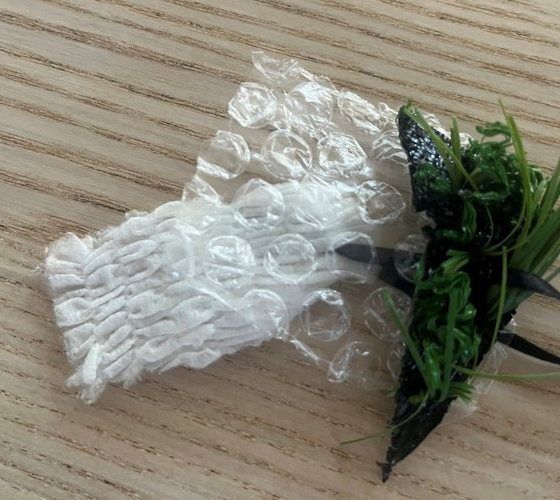
You may notice that some staff members wear objects on their lanyards. These are known as objects of reference and are used to support pupils with special educational needs and disabilities (SEND), particularly those with autism, speech, language and communication needs,
or pupils who benefit from highly visual and concrete communication. Each object has a specific meaning and represents a person, activity, routine or location, helping children understand what is happening next and reducing the need for verbal explanations. Objects of reference provide a consistent and meaningful way for pupils to communicate, make choices and anticipate transitions throughout the school day.
The impact of using objects of reference is that pupils experience reduced anxiety, particularly during changes in routine or transitions, as they are better able to understand and predict what will happen next. Children become more confident communicators, are able to make choices more independently and demonstrate increased engagement with learning and daily routines. This personalised communication approach removes barriers for pupils who struggle to process spoken language, promotes independence and emotional security, and enables children to access school life more successfully. By adapting communication to meet individual needs, staff ensure that every pupil is included and able to participate meaningfully in learning and wider school experiences.
Personalised Charts
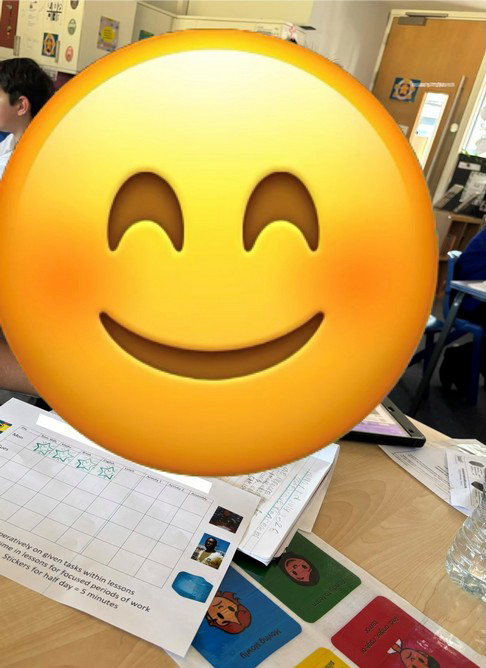
Some children also benefit from personalised sticker charts as part of an individual behaviour support plan. These provide immediate positive reinforcement, celebrating successes and encouraging pupils to make positive behaviour choices throughout the day. Targets are personalised, achievable and reviewed regularly, enabling children to experience success, build confidence and develop intrinsic motivation over time. Sticker charts are used consistently by staff and shared with families where appropriate to promote a joined-up approach between home and school.
Alongside this, children may access visual emotions charts that use images and Widgit symbols to help them identify, understand and communicate how they are feeling. These visual supports reduce the language demands for pupils with speech, language and communication needs (SLCN), autism or SEMH needs, allowing them to express their emotions more independently. Staff use the emotions charts to support emotional check-ins, facilitate restorative conversations and teach children to recognise the link between their feelings, behaviours and the strategies they can use to regulate themselves.
The impact of these personalised interventions is improved emotional literacy, increased self-awareness and greater independence in recognising and communicating emotions before behaviours escalate. Pupils become more motivated to make positive behaviour choices, develop stronger self-regulation skills and require fewer adult prompts over time. This proactive approach reduces behavioural incidents, increases engagement in learning and ensures barriers to learning are removed, enabling pupils with additional needs to access the curriculum successfully alongside their peers.
Calm Down Areas
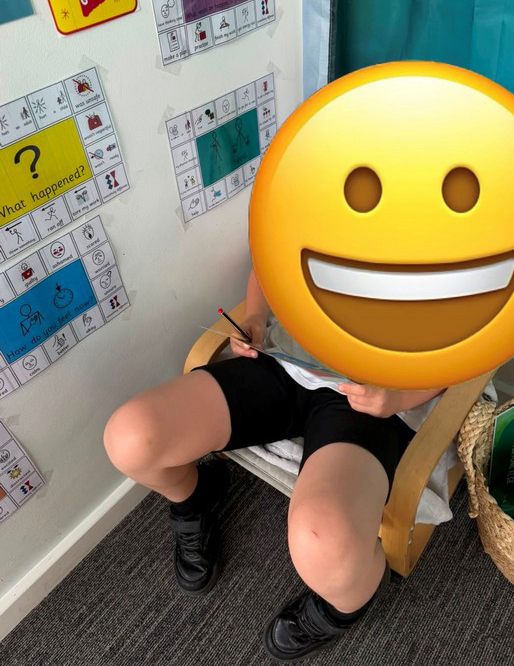
Children have access to designated calm-down areas throughout the school to support their social, emotional and mental health (SEMH) needs. These carefully planned spaces provide a safe, predictable environment where pupils can use a range of emotional regulation strategies, such as breathing techniques, sensory resources, visual prompts, emotion scales and self-regulation tools, to help them recognise, understand and manage their emotions. Staff provide consistent support to help pupils identify their feelings, co-regulate when needed and develop the confidence to return to learning when they are ready.
You may also notice the Widgit symbols displayed on the walls within these areas. These visual prompts are used to support restorative conversations, particularly for children who find it difficult to verbalise their thoughts and feelings following an incident or period of dysregulation. The visuals help pupils sequence events, identify emotions, reflect on the impact of their actions and communicate their experiences more effectively, reducing the language demands of restorative practice and ensuring every child can participate meaningfully.
The impact of this provision is that pupils are increasingly able to self-regulate their emotions, reducing the frequency and intensity of emotional dysregulation and behavioural incidents. Children are spending more time engaged in learning, requiring less adult intervention and demonstrating improved resilience when faced with challenges. The use of visual supports during restorative conversations enables pupils to reflect more successfully on incidents, develop emotional literacy and problem-solving skills, and rebuild positive relationships with peers and adults. By proactively meeting SEMH needs through a combination of regulation strategies and communication supports, this inclusive provision removes barriers to learning, improves readiness to learn and helps pupils achieve positive academic, social and emotional outcomes.
Library Visits
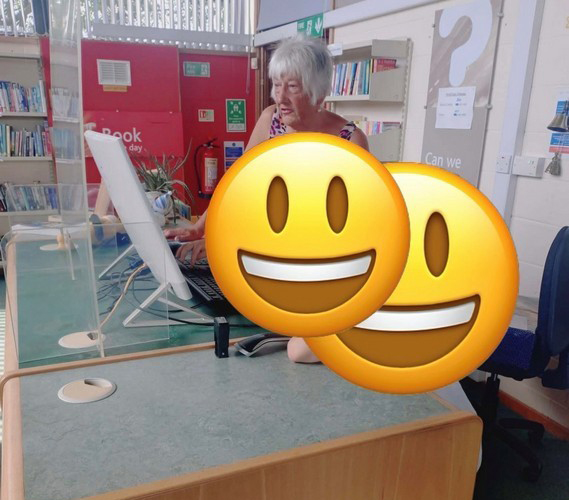
Children who require support with social, emotional and mental health (SEMH) access regular visits to the local library as part of a planned intervention to develop their social communication, emotional regulation and independence. These visits provide meaningful opportunities to practise turn-taking, listening, following routines, making appropriate choices and interacting positively with members of the wider community in a safe and supportive environment. Staff use these experiences to model and reinforce expected behaviours, build confidence and develop pupils’ understanding of community expectations.
The impact of this bespoke provision is evident in pupils’ increased confidence when accessing unfamiliar environments, improved social interactions with both peers and adults, and greater emotional regulation during community visits. Pupils develop a stronger sense of belonging within their local community while also increasing their independence and resilience. These real-life experiences support the generalisation of skills learned in school, enabling pupils to transfer positive behaviours across different settings and preparing them for successful participation in everyday life. This personalised approach removes barriers to learning and promotes inclusion by ensuring pupils with SEMH needs are equipped with the social and emotional skills necessary to engage more successfully both in school and within the wider community.
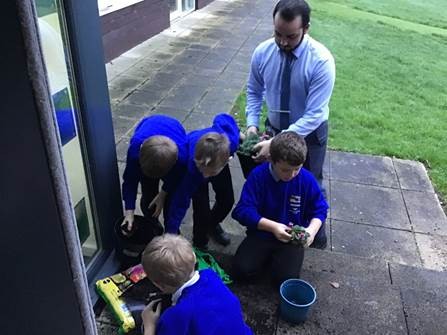
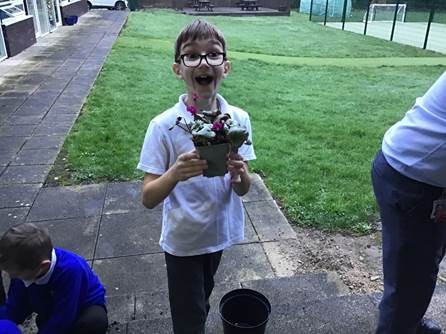
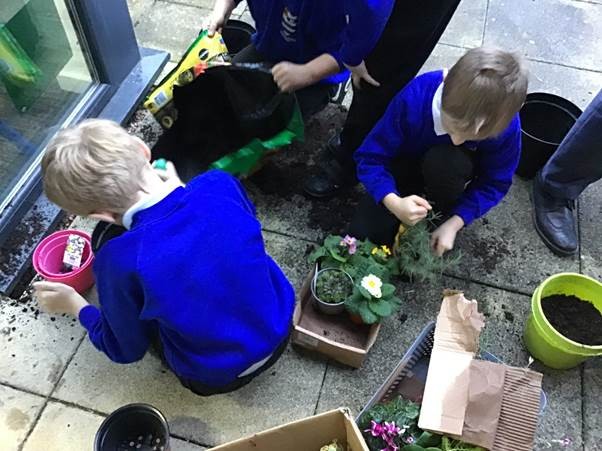
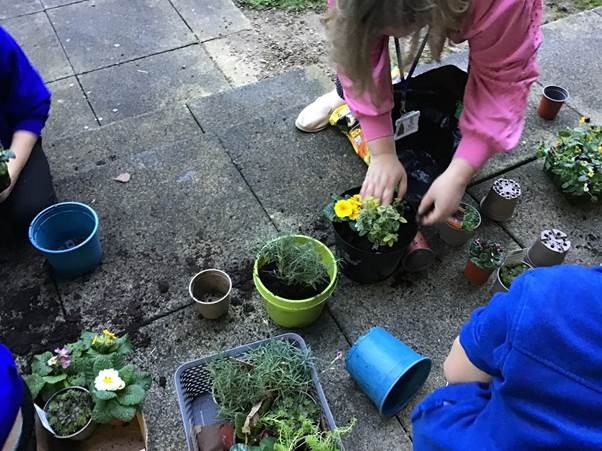
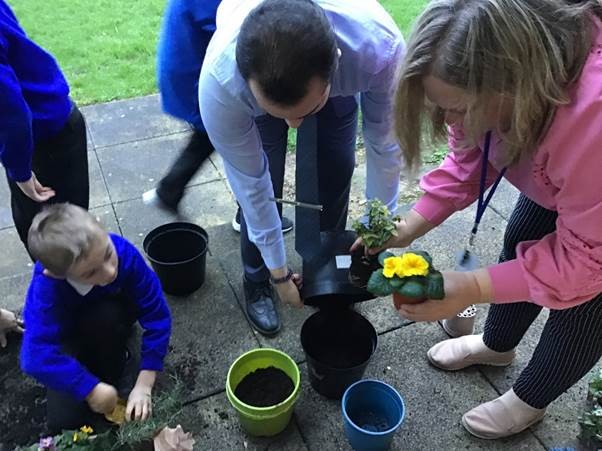
Preparation for our Christmas Fayre – Plant stall
A group of our Learners made planters in preparation for our Christmas Fayre. The plants were kindly donated by Pennells Garden Centre.